October 27, 2026
Severe weather can place considerable stress on a home's roofing system. High winds, heavy rainfall, hail, and falling debris may damage shingles, loosen flashing, compromise drainage, and expose vulnerable areas to moisture. While some problems are immediately visible, others develop beneath the surface and may not become apparent until water enters the home. Recovering from a major storm requires more than replacing missing materials or covering obvious leaks. A professional roofing company can evaluate the extent of damage, recommend appropriate repairs, and help homeowners restore their roof's protective function. Understanding the different stages of storm recovery can help property owners respond effectively, avoid unnecessary risks, and make informed decisions about protecting their homes against future weather events.
Identifying Hidden Damage After Severe Weather
One of the first steps in storm recovery is determining how the roofing system has been affected. Strong winds can lift shingles, loosen fasteners, and damage flashing around chimneys, vents, and roof intersections. Hail may create dents, cracks, or surface deterioration that is difficult to recognize from the ground. Even when a roof appears intact, damaged materials can allow moisture to enter during subsequent rainfall. A thorough inspection helps distinguish minor cosmetic concerns from conditions that could compromise the roof's performance.
Homeowners should avoid climbing onto a damaged roof, particularly when surfaces are wet or structural conditions are uncertain. Instead, they can document visible problems from safe locations and arrange a professional evaluation. A roofing company can examine accessible roofing components, identify signs of deterioration, and determine whether additional investigation is necessary. Contractors may also inspect areas around penetrations, roof edges, and drainage features where storm-related problems commonly develop. Identifying damage early helps homeowners understand which repairs deserve immediate attention.
Preventing Additional Damage With Emergency Protection
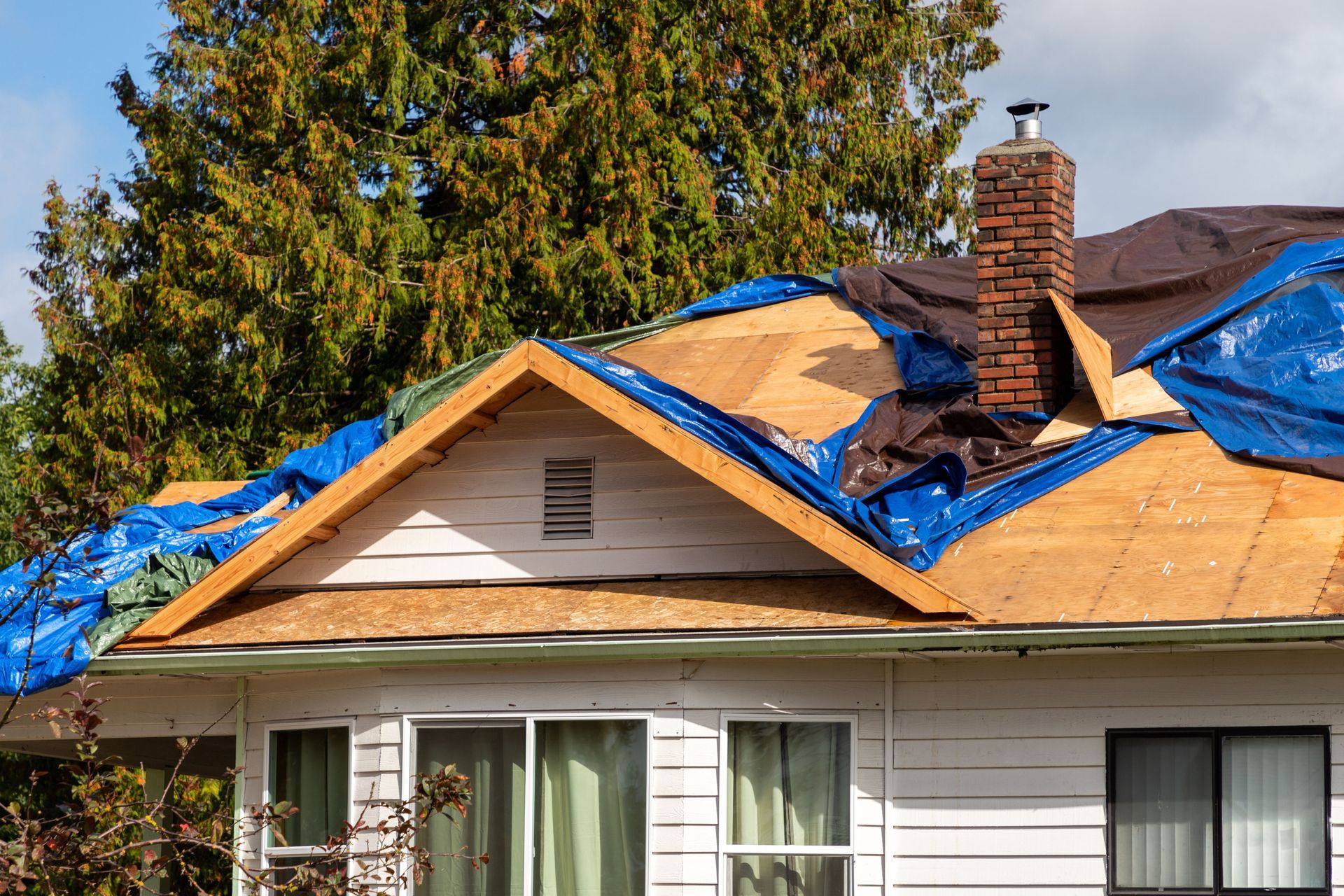
Storm damage can leave portions of a roof vulnerable to additional rainfall and wind exposure. Missing shingles, damaged flashing, and punctures caused by falling branches may create openings that allow water to enter the building. When permanent repairs cannot begin immediately, temporary protective measures may help limit further deterioration. Depending on the situation, contractors may install protective coverings, secure loose materials, or recommend other short-term precautions. These measures are intended to reduce exposure until the underlying damage can be properly addressed.
Emergency protection requires careful planning because unstable roofing materials, electrical hazards, and damaged structural components can create dangerous working conditions. Homeowners should keep people away from affected areas and avoid attempting repairs during active storms. If water enters the home, protecting belongings and documenting damage can help with subsequent recovery efforts when it is safe to do so. Temporary coverings should not be mistaken for permanent repairs. Once conditions permit, the roof should be evaluated and restored using suitable materials and installation methods.
Evaluating the Extent of Structural Deterioration
Severe weather can affect more than the outer layer of a roofing system. Prolonged moisture exposure may damage roof decking, insulation, and other components beneath the shingles or panels. Falling trees and large debris can also compromise framing or create localized structural concerns. These problems are not always visible during an initial exterior inspection. Signs such as sagging roof sections, interior ceiling stains, and persistent leaks may indicate that a more detailed assessment is necessary before repairs proceed.
An experienced roofing company can identify roofing conditions that warrant further investigation and coordinate with qualified structural professionals when necessary. The evaluation may involve examining exposed decking, checking damaged sections, and determining whether affected materials can remain in place. Replacing only the visible roofing surface without addressing deteriorated supporting components may allow problems to continue. Understanding the condition of the underlying structure helps homeowners make decisions about repair scope, project timing, and the materials needed for restoration.
Coordinating Documentation for Insurance Claims
Storm-related roof repairs may involve homeowners insurance, depending on the policy, cause of damage, and applicable coverage limitations. Clear documentation can help homeowners communicate the condition of their property to their insurance provider. Photographs, inspection findings, written repair estimates, and records of temporary protective measures may all be useful. According to RubyHome, storm-related damage accounts for 33% of all roof repairs. This statistic illustrates why understanding the repair and documentation process can be valuable for homeowners facing severe weather.
Before authorizing extensive work, homeowners should review their policy requirements and contact their insurer when appropriate. A roofing company may provide an itemized estimate describing observed damage, proposed repairs, and associated costs. However, the insurance provider determines coverage and claim payments according to the policy. Homeowners should also retain copies of contracts, invoices, and communications throughout the process. Organized records can reduce confusion and help ensure that repair decisions are based on both the property's needs and the homeowner's financial responsibilities.
Selecting Appropriate Materials for Roof Restoration
Choosing replacement materials is an important part of restoring a roof after severe weather. Different roofing products offer varying characteristics related to wind resistance, impact performance, weight, durability, and maintenance. Asphalt shingles, metal roofing, and other systems also have distinct installation requirements. When only part of a roof requires repair, compatibility with existing materials becomes particularly important. Contractors must consider how replacement components will integrate with the surrounding roof and maintain appropriate protection against moisture.
Homeowners should ask about material specifications, manufacturer instructions, and applicable local building requirements before making selections. In some circumstances, repairing a limited area may be practical, while widespread damage or aging materials may justify discussing replacement. A qualified contractor can explain the advantages and limitations of available options without assuming that the most expensive product is always necessary. Evaluating materials according to roof design, local weather conditions, and long-term maintenance needs helps homeowners make more informed restoration decisions.
Restoring Drainage and Moisture Protection
A roofing system must do more than resist direct rainfall. It also needs to guide water away from vulnerable areas and prevent moisture from entering beneath roofing materials. Storms can damage gutters, loosen downspouts, displace flashing, and leave debris blocking drainage pathways. When water cannot move away efficiently, it may accumulate near roof edges or other sensitive locations. These conditions can contribute to leaks, deterioration, and water intrusion around exterior walls or foundations.
A roofing company can evaluate roof drainage components as part of the recovery process. Repairs may involve securing flashing, replacing damaged sections, removing obstructions, or correcting connections between roofing and drainage features. Properly functioning gutters and downspouts help direct runoff away from the building, while correctly installed flashing protects joints and penetrations. Homeowners should also consider whether recurring drainage problems existed before the storm. Addressing these underlying concerns can help reduce the likelihood of repeated moisture damage.
Preparing the Roof for Future Weather Events
Completing storm repairs provides an opportunity to evaluate how well the roofing system may withstand future weather. Although no roof is completely immune to severe conditions, appropriate maintenance and installation practices can reduce certain vulnerabilities. Contractors may recommend replacing deteriorated flashing, securing loose components, improving drainage, or addressing aging materials. The suitability of these improvements depends on the roof's design, condition, and exposure to local weather patterns. Preventive recommendations should focus on identified concerns rather than unnecessary upgrades.
Homeowners can also support roof performance through routine inspections and timely maintenance. Checking for visible damage after major storms, keeping gutters clear, and addressing small leaks promptly may help prevent more extensive deterioration. An established maintenance schedule provides opportunities to identify developing problems before another severe weather event occurs. Property owners should document completed repairs and retain relevant warranty information for future reference. Combining professional evaluations with consistent upkeep supports a more organized approach to long-term roof protection.
Recovering from severe weather involves identifying damage, protecting exposed areas, evaluating structural concerns, and completing repairs that restore the roof's protective function. Documentation, material selection, drainage improvements, and preventive maintenance also contribute to a successful recovery process. Because storm damage can affect both visible roofing materials and concealed components, professional evaluation helps homeowners understand the condition of their property before making major decisions. Working with a qualified roofing company can provide guidance throughout the restoration process while helping homeowners prepare for future weather challenges. For professional assistance with storm damage inspections, roof repairs, and roofing restoration, contact Willoughby Roofing & Sheet Metal Inc. today.